Spiritual Wellbeing Survey
Quality of life has long been recognised as an important part of overall health and wellbeing. Over recent decades, approaches to measuring quality of life have become more advanced and holistic. Earlier methods focused mainly on physical and measurable factors such as income, living standards, crime rates, or access to healthcare services. While these indicators remain important, modern wellbeing research also recognises the value of a person’s emotional, psychological, and spiritual experiences.
As understanding of mental health and personal wellbeing has evolved, greater emphasis has been placed on the subjective experience of life — how people personally feel about their purpose, fulfilment, relationships, and inner sense of wellbeing. This broader perspective acknowledges that quality of life is not only shaped by external circumstances, but also by an individual’s personal sense of meaning, connection, and life satisfaction.
The Spiritual Well-Being Scale (SWBS) was developed as a tool to help assess an individual’s perceived spiritual wellbeing and overall quality of life. The scale explores wellbeing in two key areas: religious wellbeing and existential wellbeing. Religious wellbeing relates to a person’s relationship with God, faith, or spiritual beliefs, while existential wellbeing focuses on life purpose, meaning, direction, and personal satisfaction.
This dual approach reflects the different ways people understand spirituality. For some individuals, spirituality is closely connected to religious belief and faith practices. For others, spirituality may relate more to a sense of meaning, inner peace, values, and personal fulfilment, regardless of religious affiliation. Because of this inclusive framework, the SWBS is considered non-denominational and suitable for people from a wide range of cultural, spiritual, and personal backgrounds.
The scale includes two separate components:
- The Religious Well-Being Scale (RWBS), which measures spiritual wellbeing in relation to faith or connection with God.
- The Existential Well-Being Scale (EWBS), which assesses a person’s sense of life purpose, direction, and overall life satisfaction.
Today, measures such as the SWBS are widely used in counselling, psychology, mental health support, and wellbeing research to better understand the connection between emotional health, spirituality, and overall quality of life. In counselling settings across Brisbane, holistic approaches to wellbeing increasingly recognise the importance of supporting not only mental and emotional health, but also a person’s sense of meaning, purpose, and personal connection.
Couple and Family Relationships
Table of Contents
Counselling offers invaluable support for couples and families by providing a safe space to explore and address challenges. It encourages open communication, fostering deeper understanding and empathy among participants. Through professional guidance, families can develop effective conflict resolution skills, enhancing their overall relationship dynamics. Moreover, counselling can assist in navigating significant life transitions, such as parenthood or relocation, helping families to adapt and thrive together. Ultimately, engaging in counselling promotes emotional well-being, strengthens bonds, and cultivates a healthier family environment.

5 ways to strenthen your bond
If you’re wondering how you and your spouse can strengthen your bond in a fulfilling way, look no further. 5 Ways to Give Back Together
7 ways to bring out the best
You often hear couples say they bring out the best in each other, but what does it really mean? Do you bring out the best in your spouse? Is it something you can work on? 7 ways you can bring out the best in your spouse.
Good arguments
| Were you caught off guard by arguments you had as newlyweds? The truth is, it’s normal for new issues to arise once you’re married, and for existing ones to pop up again. But these conflicts are nothing to be afraid of. Newlywed arguments that are actually good for your marriage. |
Are you and your spouse stuck in a cycle of criticism and defensiveness? Does resentment build until a blowout argument erupts? Does conflict create distance between you that’s hard to recover from? All it takes is a couple of instances to form a pattern that’s hard to break. What can you do to avoid this? One way is to be intentional about establishing positive patterns instead. Check out 4 examples.
| Have you ever said something to your spouse, and as the words are leaving your mouth you know you’ve made a mistake? You wish you could take it back and start over, but it’s too late. Or is it? When you know you’ve just made a poor communication choice, requesting a do-over in the moment is an impactful way to quickly get back on track. 3 times to ask for one |
| It’s easy to fall into a mindset that it’s you versus your spouse. Whether it’s annoying habits, the issues you disagree on, or going through a rough patch, it can feel like you’re against each other on everything. It probably goes without saying, but becoming entrenched in this can hurt your relationship. So what if you flipped the script on this dynamic? How “it’s us against the world” thinking can work for you. |
Marriage Meeting
| There’s a lot that goes into keeping a household running smoothly, and when you’re not on the same page, it affects your relationship. If you’re stressed out about the budget, but your spouse is focused solely on meal planning for the week, how do you move forward productively as a team? That’s where a regular marriage meeting comes in. Tips for a marriage meeting that works. |
Strain or strengthen?
Everyone faces adversity in their life. Whether it’s a career setback, an illness or injury, or even just a run of bad luck, these obstacles have the potential to leave you discouraged, defeated, or harboring a pessimistic view on life. But that outcome is not predetermined. 3 things that can either strain – or strengthen – your marriage
Compatability
| When it comes to agreeing with your spouse, there are the big things, like your values, beliefs, and dreams for the future. Then there are the smaller things, stuff you definitely don’t have to agree on, but that might make day-to-day life a whole lot easier if you do. Bonus compatability points in marriage How many do you score? Check out 8 simple date add-ons to put a new spin on your same old routine. A meal you’ve been craving for weeks. That first sip of an ice cold beverage on a scorching day. Hearing a song that resonates with you at just the right time. Nothing beats that satisfying feeling when something hits just right. And that goes for dates with your spouse, too! But it’s not always easy figuring out exactly what kind of date is going to check all those boxes. 40 ideas to help you find that perfect date Check out this three-course date conversation menu |
| A regular, consistent date night sounds great, but when it comes to actually following through… well, that’s another story. Whether it’s an unexpected last-minute event, your season of life, financial situation, or daily life obligations, it’s all too easy to come up with an excuse to skip date night. But your relationship deserves the effort! That’s why you’ll want to check out how to make it actually happen |
Expectations
Was your day good or bad? Did that new restaurant hit the mark or fall short? Was your long awaited vacation everything you hoped it would be? Surprisingly, the answer all depends on what type of expectations you had. And this applies in your marriage, too! Unmet expectations are the root cause of many marital disagreements, and they can come in several forms. 3 types of expectations that can cause conflict between you and your spouse.
When you think of “icebreakers,” does your mind immediately go to awkward team building exercises or having to come up with a fun fact about yourself? When would you ever need icebreakers with your spouse? Well, have you ever felt the lingering tension after an argument or negative interaction? There’s just a sense of uncomfortable distance. Things feel off – and it’s not enjoyable for either of you. Tips for breaking the ice in marriage
Trauma and Grief
Trauma and grief are profound experiences that can significantly impact individuals’ mental and emotional well-being. It is essential to acknowledge the diverse ways in which these experiences manifest and the unique paths individuals may take towards healing. Various resources are available to support those navigating trauma and grief, including counselling services, support groups, and educational materials that provide valuable insights into coping strategies. Engaging with these resources can foster resilience and promote a greater understanding of one’s feelings, ultimately aiding the journey towards recovery. Creating a supportive environment is crucial for those dealing with trauma and grief, as it enables open conversations and emotional expression. Friends and family play a vital role in this process, offering comfort and understanding while encouraging individuals to seek help when needed. In addition, mindfulness practices and creative outlets, such as art or writing, can serve as effective tools for processing emotions and reflecting on one’s experiences. Establishing healthy routines and self-care habits can further enhance emotional stability, helping individuals to regain a sense of control and normalcy in their lives. Ultimately, healing is a personal journey that requires patience and compassion, both from oneself and others.
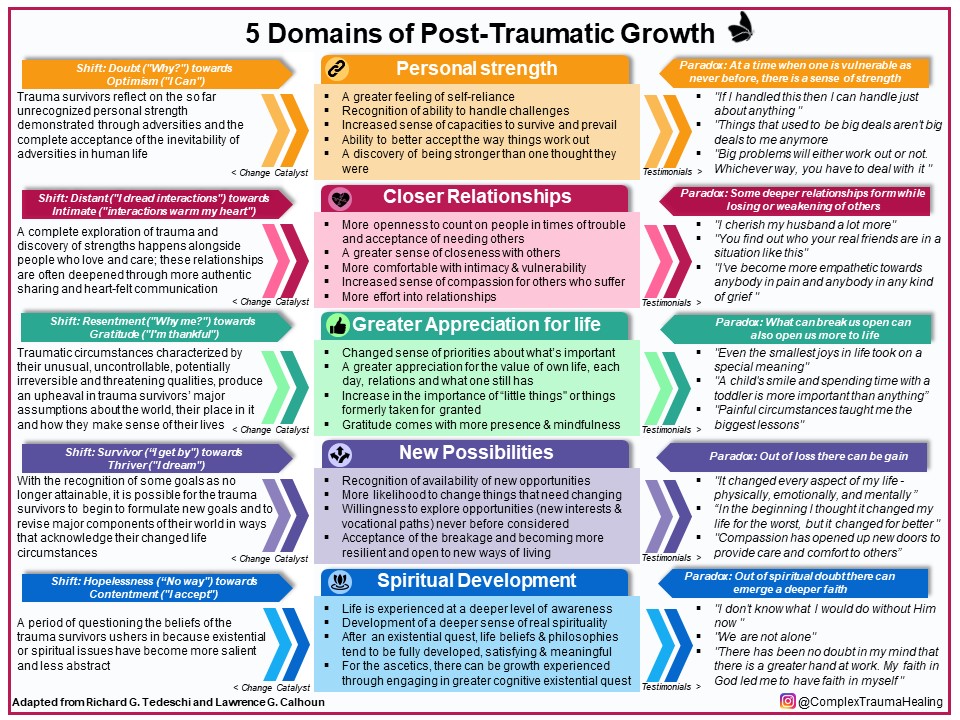
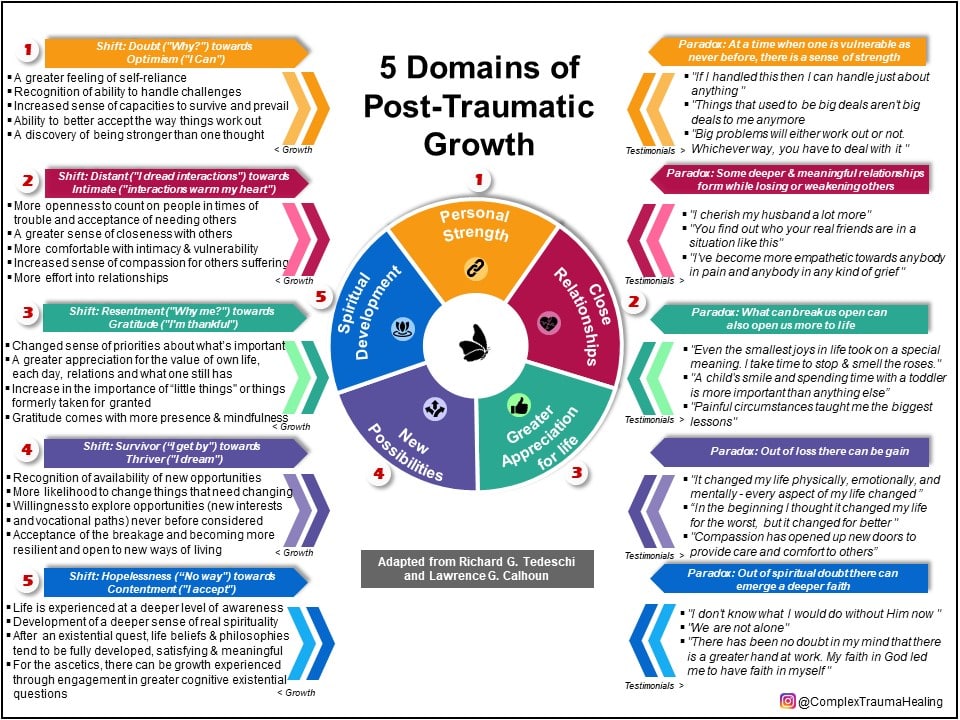
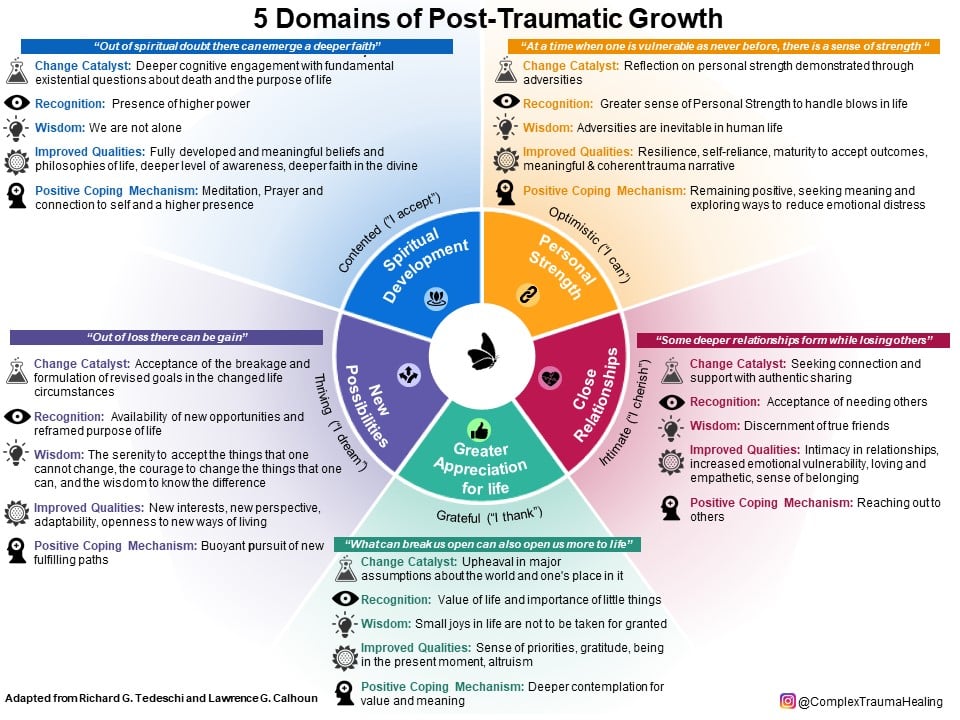
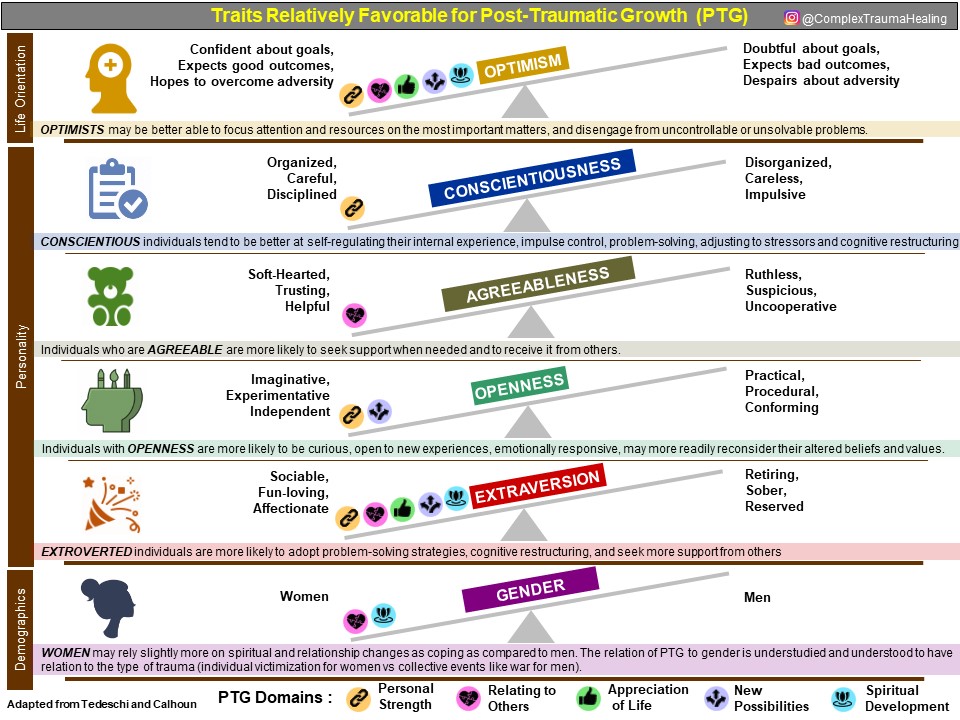
The resource below helps you to think about your own growth post trauma. Why not book an appointment to go through the report and learn more about your responses to trauma.